Active Cool Chain
Continual temperature regulation (2 °C to 4 °C) inside high-capacity environmental cells.
Continual temperature regulation (2 °C to 4 °C) inside high-capacity environmental cells.
Automated misting and air recirculators stop flowers from dehydrating.
Advanced catalytic carbon filters scrub off ripening gases dynamically.
Pre-clearance customs brokerage for smooth airport agricultural release.
Every step of the cool chain, handled with care

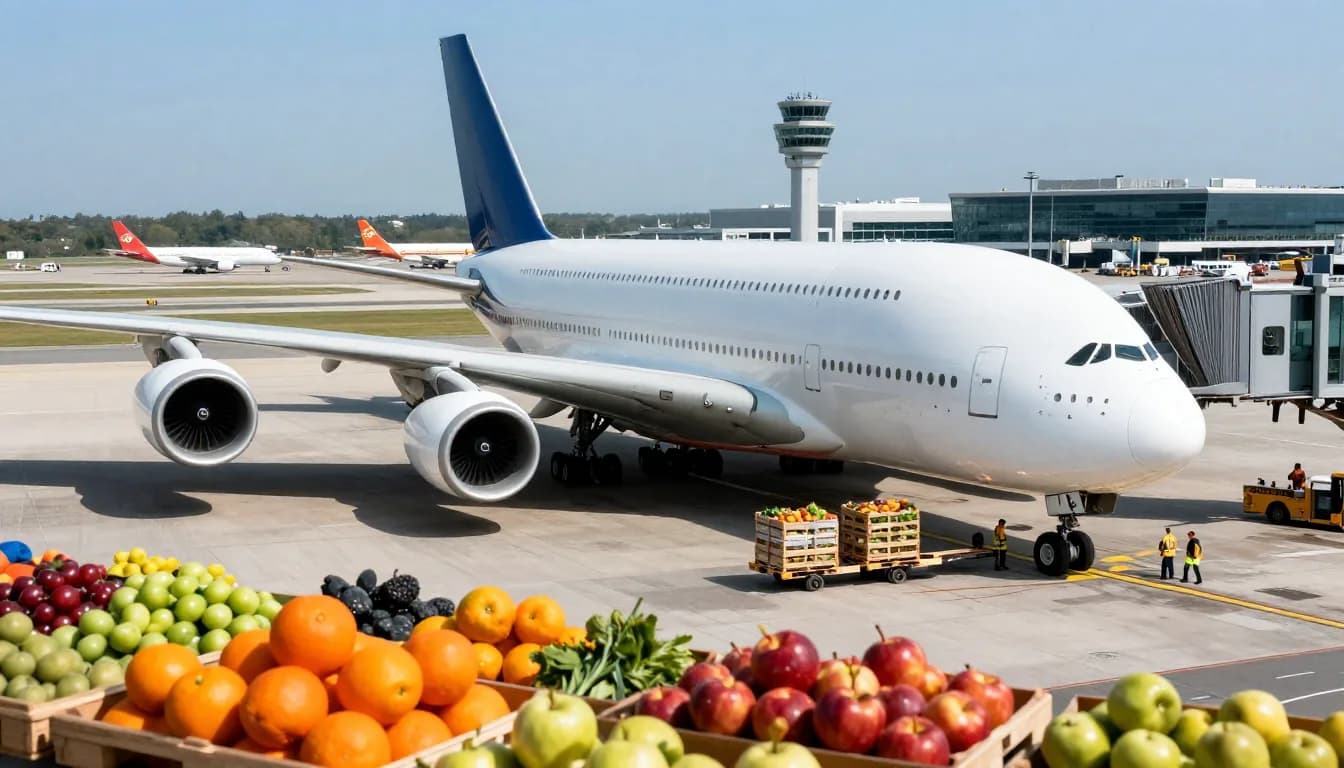
Hand-Wrapped Floral Care
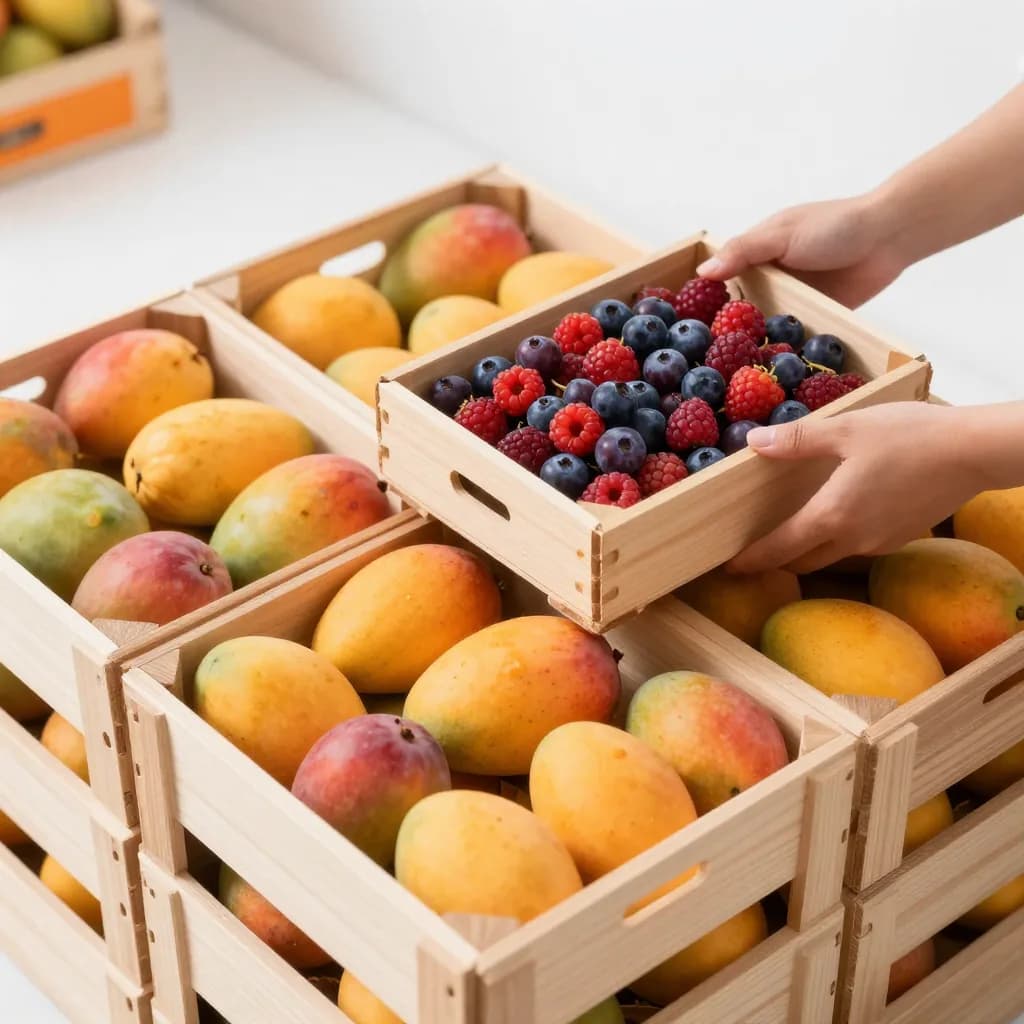
Quality-Checked Produce
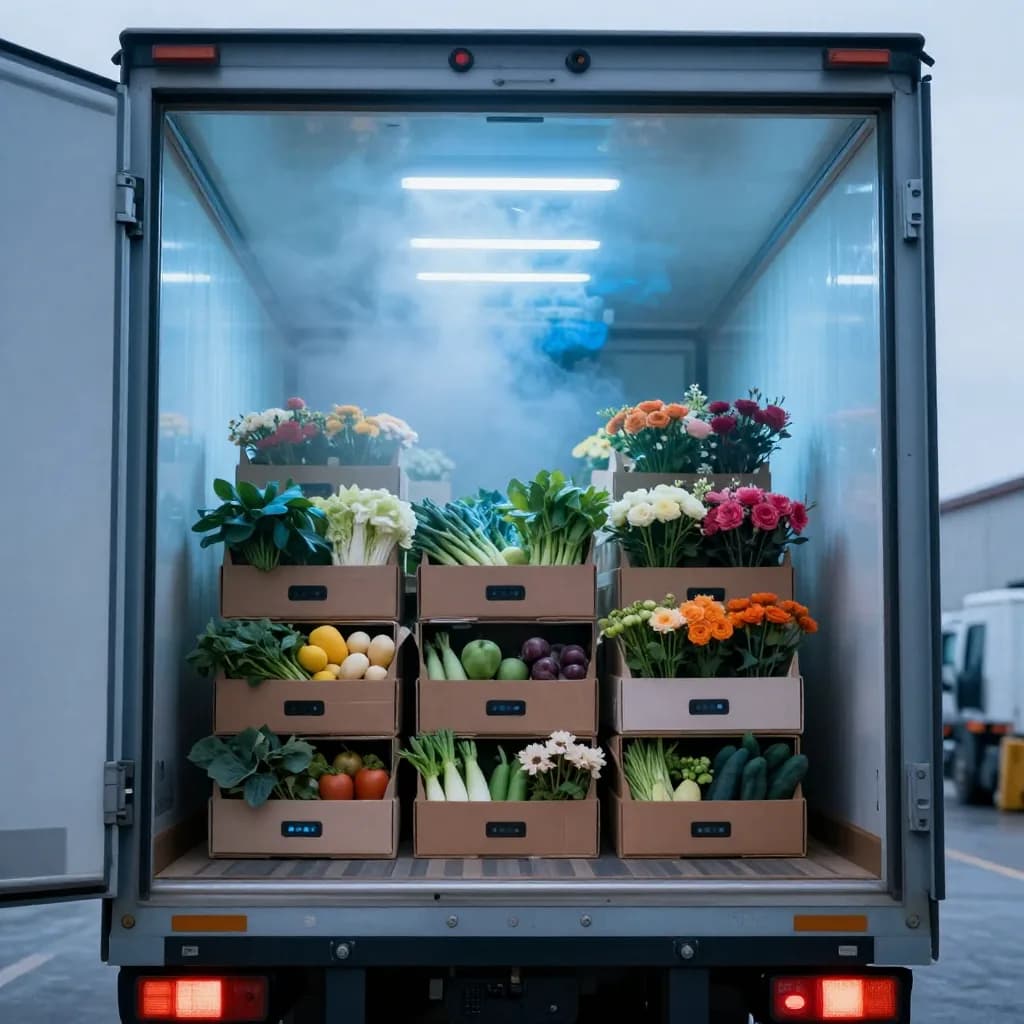
Refrigerated Transit
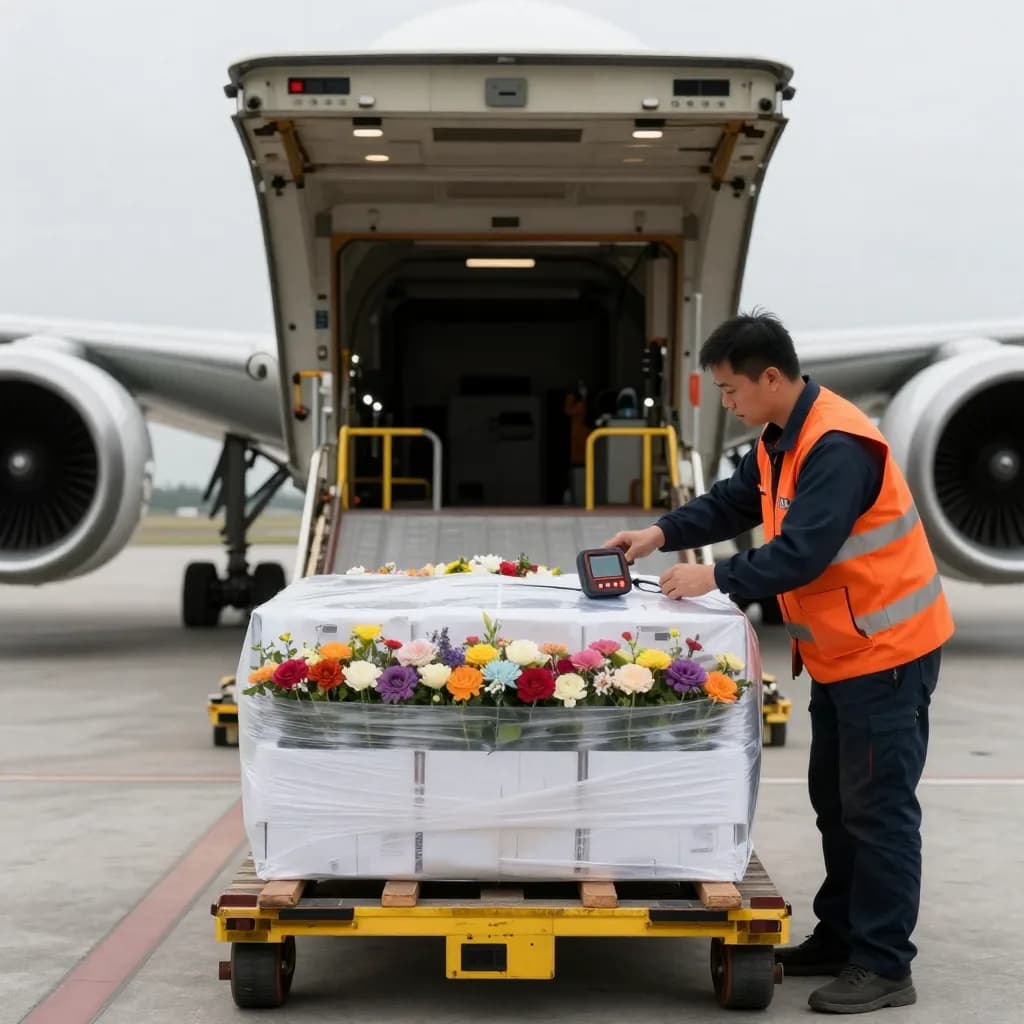
Monitored Air Cargo
Tweak the environmental controls to see the cargo health status live.
Optimal Preservation
Excellent cold-chain parameters. Stems pristine, blooms kept dormant for transport.
Indicative simulation for planning only. Actual parameters are set against your commodity's requirements and the booked routing.
Calibrate the nitrogen, oxygen, and carbon dioxide ratios inside the container.
CA Preservation Optimal
Volatile ripening agents locked. Respiration suspended. Fruit will arrive completely fresh.
Indicative simulation for planning only. Final atmosphere settings are confirmed against your commodity, variety, and transit time before loading.
Cut flowers and fresh fruit both spoil in transit, but they spoil for different reasons and need different handling. Flowers are kept dormant by cold and humidity: hold them between 2 and 4 degrees Celsius at around 90 percent humidity and the stems stay rigid and the blooms stay closed.
Fruit is kept dormant by atmosphere. Lower the oxygen, raise the carbon dioxide, and respiration slows to the point where ripening effectively stops. UCL Cargo runs both regimes, and the two calculators above show how narrow the safe windows actually are.
The cold chain is only as strong as its weakest handover, so collection, packing, airline acceptance, and clearance are all managed by one team.
Ripening fruit releases ethylene, and ethylene accelerates the ageing of everything around it. In a sealed container the concentration climbs, blooms open, and fruit that left the farm green arrives soft. It is the single most common cause of a perishable consignment being rejected on arrival.
Catalytic carbon filters scrub ripening gases continuously, and fresh air exchange is set against the commodity rather than left at a default. Higher exchange rates keep ethylene lower but cost more cooling energy, which is the trade-off the emulator above makes visible.
Plant products face inspection regimes that ordinary cargo does not. Most destinations require a phytosanitary certificate issued by the exporting country’s plant protection authority, confirming the consignment is free of regulated pests and diseases.
Because UCL Cargo prepares this alongside the air waybill and commercial invoice, the certificate travels with the cargo rather than following it. For a consignment with a shelf life measured in days, a document delay at the border is a total loss, so the paperwork is verified before departure.
The service is built for growers and traders whose product has a shelf life and a season.
To book perishable freight, contact UCL Cargo with the commodity and variety, the volume, your required temperature or atmosphere, and the destination. We confirm routing, packaging, and certification before collection.
Cut flowers travel best between 2 and 4 degrees Celsius with relative humidity held at around 90 percent. That combination keeps stems dormant and blooms closed in transit. Below 1.5 degrees, stem cells risk frost damage; above 4.5 degrees, respiration accelerates and blooms open early.
Controlled Atmosphere freight lowers oxygen and raises carbon dioxide inside the container so fruit respires more slowly and ripening is suspended. Typical targets are 1 to 5.5 percent oxygen and 2 to 10 percent carbon dioxide, with nitrogen as the balance gas, set per commodity.
Ethylene is the gas that triggers ripening and ageing. It accumulates in a sealed container and accelerates decay for everything inside, which is why flowers and ripening fruit should not share an atmosphere. UCL Cargo uses catalytic scrubbing and fresh air exchange to keep concentrations low.
Yes. Phytosanitary certification is prepared in-house alongside the air waybill and commercial documents. Because plant health paperwork is checked before the cargo leaves, consignments are not held at the destination while a missing certificate is chased.
Perishable consignments are booked on priority air services with pre-cooling before departure and cool-chain acceptance at the airline. Most destinations in the Gulf, Europe, and the Far East are reached within 2 to 5 days, with the cold chain unbroken from pickup to arrival.
 IATAInternational Air Transport Association
 ACAAPAir Cargo Agents Association of Pakistan
 APCAAAll Pakistan Customs Agents Association
 PIFFAPakistan International Freight Forwarders Association
 LCCILahore Chamber of Commerce & Industry